







- Ghana raised gold royalties from a fixed 5% rate to a variable rate of up to 12% as gold prices surged.
- Major miners, including Asante Gold, Newmont Corporation, Gold Fields and AngloGold Ashanti, continue investing in Ghanaian operations.
- Mining companies warn that the reforms could discourage long-term investment growth despite record gold prices.
On Tuesday, May 19, Canadian miner Asante Gold announced that it is negotiating with a commercial partner to secure $50 million in financing to strengthen working capital while it advances the growth phase of its Bibiani and Chirano gold mines in Ghana.
The move reflects broader efforts by mining companies to sustain investment in the former Gold Coast despite mounting pressure from government reforms.
Accra has gradually revised the fiscal framework governing the gold sector as global gold prices climbed sharply. In March, the government introduced a new royalty structure that replaced the fixed 5% royalty rate with a variable rate that can reach as high as 12% at current gold prices.
The government also plans to eliminate mining stability agreements that have remained in place for more than a decade and have supported investment through tax incentives granted to mining companies.
Industry operators quickly raised concerns about the potential impact of the reforms on both short-term operations and long-term growth investment. The Ghana Chamber of Mines, which represents industry players, has repeatedly called on the government this year to strike a balance around the proposed measures.
“The Chamber does not oppose the government’s objective of increasing national economic benefits from the mining sector, particularly given the current high level of gold prices. However, we fear that the proposed amendments, in their current form, instead of leveraging higher gold prices and stimulating production, could hinder investment expansion and may not necessarily generate sustainable long-term revenues,” the Chamber said in January.
Concerns, but no retreat

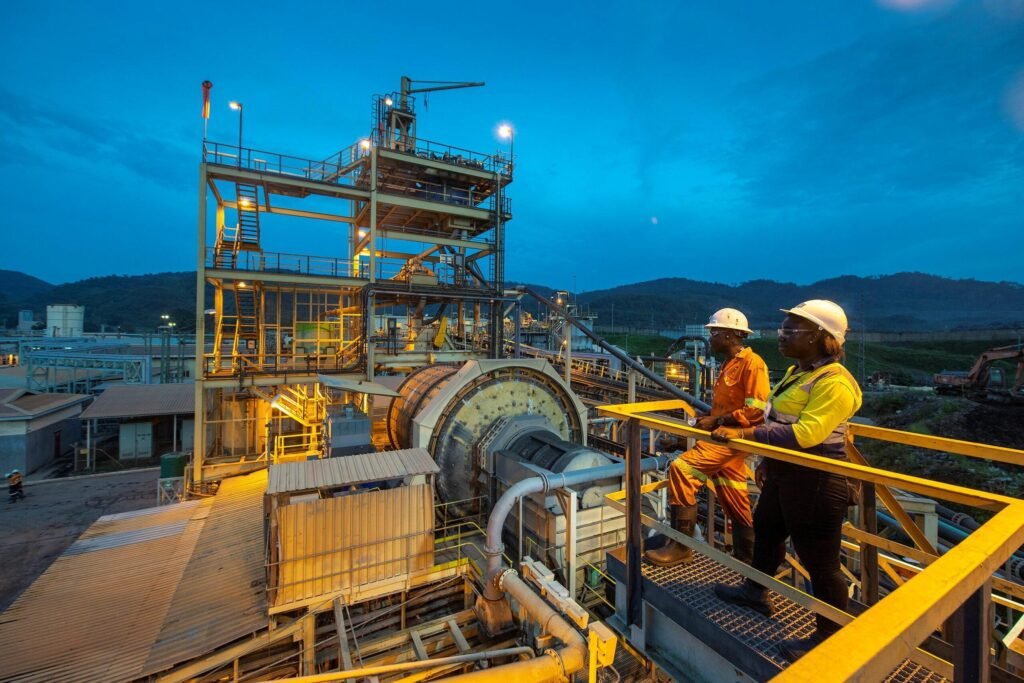
Despite concerns surrounding the reforms, mining companies have so far maintained their commitments across Ghanaian operations.
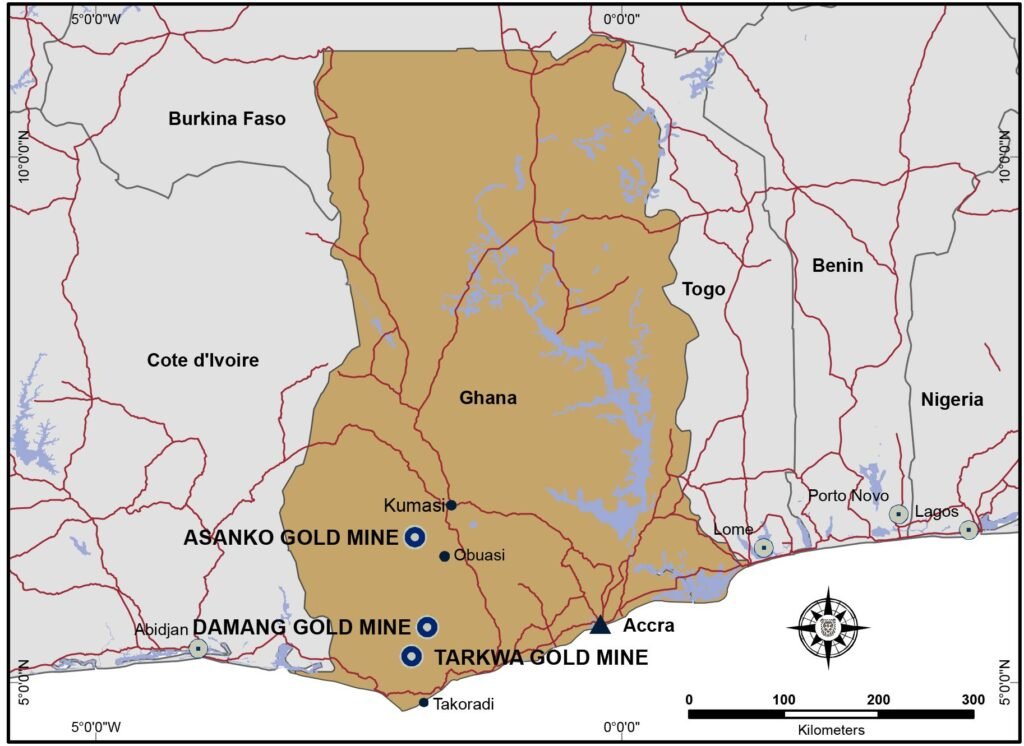
Alongside Asante Gold, Afrimex Newmont Corporation also illustrates the trend. Although the expiration of its stability agreement now exposes the company to new taxes from which it was previously exempt, the U.S. group invested $11 million during the first quarter in its Ahafo North gold mine, which entered production in October 2025 and remains in its ramp-up phase.
Gold Fields reported a 69% increase in spending at its Tarkwa mine during the first quarter, bringing total expenditure to $96 million.
Meanwhile, AngloGold Ashanti said it allocated $16 million to non-sustaining capital expenditure at its Obuasi mine, compared with $5 million a year earlier. The category includes investments aimed at developing, expanding, or optimizing mining operations.
Although each company faces different challenges, the spending trends show that operators want to continue capitalizing on investments already committed to their assets, especially as gold market conditions remain favorable.
Gold prices have more than doubled since the beginning of 2025 and currently trade at around $4,500 per ounce.
Moreover, similar dynamics have emerged elsewhere in Africa.
Mali provides another example following tensions between the government and mining operators after the adoption of the country’s 2023 Mining Code. Companies such as B2Gold and Allied Gold continued investing in the country despite the application of the new legislation to some of their operations.
The most significant dispute involved the Loulo-Gounkoto mine operated by Barrick Mining. The standoff ultimately eased after the company resumed commitments at the site this year.
Expectations remain unresolved

Despite continued investment activity, questions remain over the medium- and long-term outlook for mining companies in Ghana.
Although Asante Gold did not address the reforms in its latest statement, the company has yet to clarify its position regarding their implementation, particularly as the mining lease for its Bibiani mine expires in May 2027.
For its part, Gold Fields is already working to extend the mining lease for Tarkwa, which is also due to expire next year.
Reports indicate that discussions with the government have started, although authorities have not announced any official progress and details surrounding the negotiations remain limited.
Meanwhile, Newmont Corporation said it continues discussions with Ghanaian authorities on fiscal matters in an effort to secure an agreement that would support its long-term presence in Ghana’s gold sector.
“Newmont continues constructive dialogue with the Government of Ghana on fiscal matters, royalties and the broader budget environment, with the aim of supporting its long-standing partnership and maintaining Ghana as a preferred destination for its future investments,” the company said in its quarterly report.


