






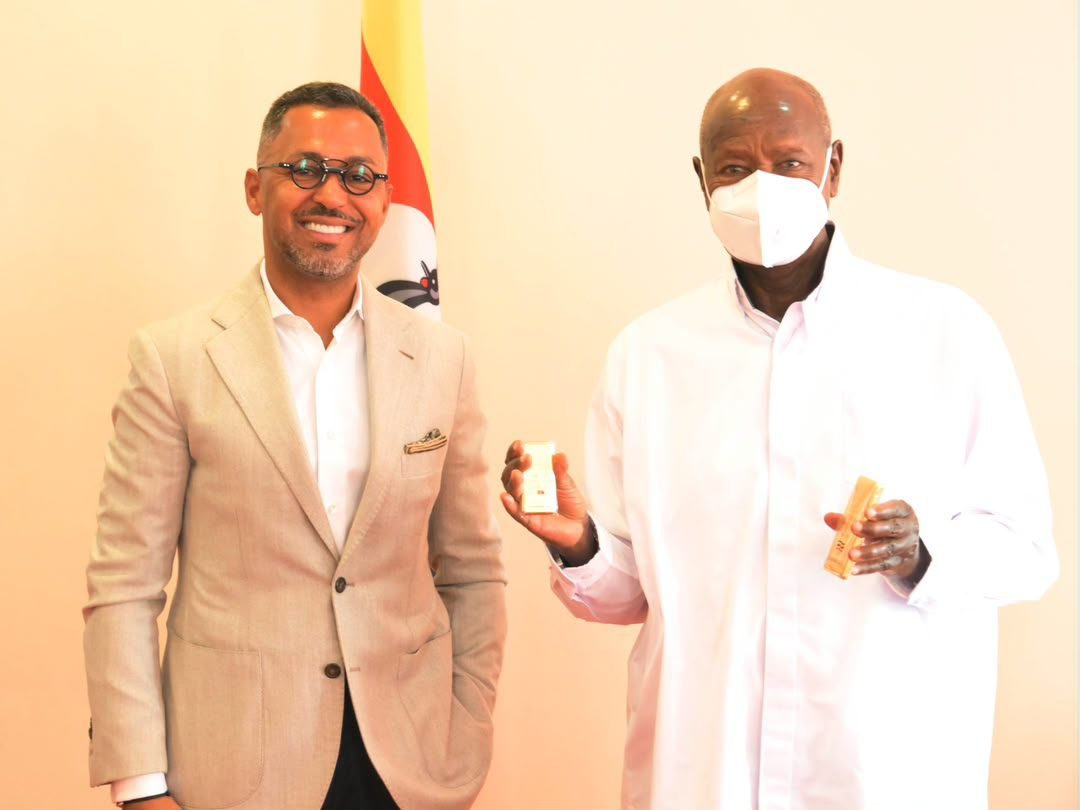
In a recent post that has sparked widespread Gold trading in Uganda discussion across East Africa, President Yoweri Kaguta Museveni shared striking images of himself holding 1.5 kilograms of refined gold from Ibanda district. Standing alongside Mr. Cohen Carlos, owner of Feldstein Co. Ltd., the President showcased Uganda’s growing capacity to process its own mineral wealth to international standards. This moment isn’t just a photo opportunity it signals a deliberate push toward keeping more value from the country’s gold resources at home
As someone who has spent over a decade working across Africa’s mining corridors from the artisanal pits of Karamoja to boardrooms in Kampala and Johannesburg I’ve watched Uganda’s gold story evolve. What was once dominated by raw exports is slowly shifting toward refining, job creation, and formal trade. Let’s break down what this development really means.
Uganda’s Gold Sector Overview: From ASM Supply to Refined Exports
Uganda has emerged as a notable player in regional gold production and trade. While much of the gold still originates from artisanal and small scale mining (ASM) operations, often supplemented by imports for refining, the country exported billions in gold value in recent years, sometimes surpassing traditional exports like coffee
The real game changer is value addition . Instead of shipping out doré bars or raw material, local refineries are now producing 99.9% pure gold bars the kind that meet LBMA standards and fetch premium prices on international markets. President Museveni noted that one kilogram recently commanded around USD 173,000 before global price fluctuations linked to geopolitical tensions.
This shift supports formalization, reduces leakages, and creates downstream jobs in assaying, security, logistics, and manufacturing.
President Museveni’s Push for Local Value Addition (Feldstein Spotlight)

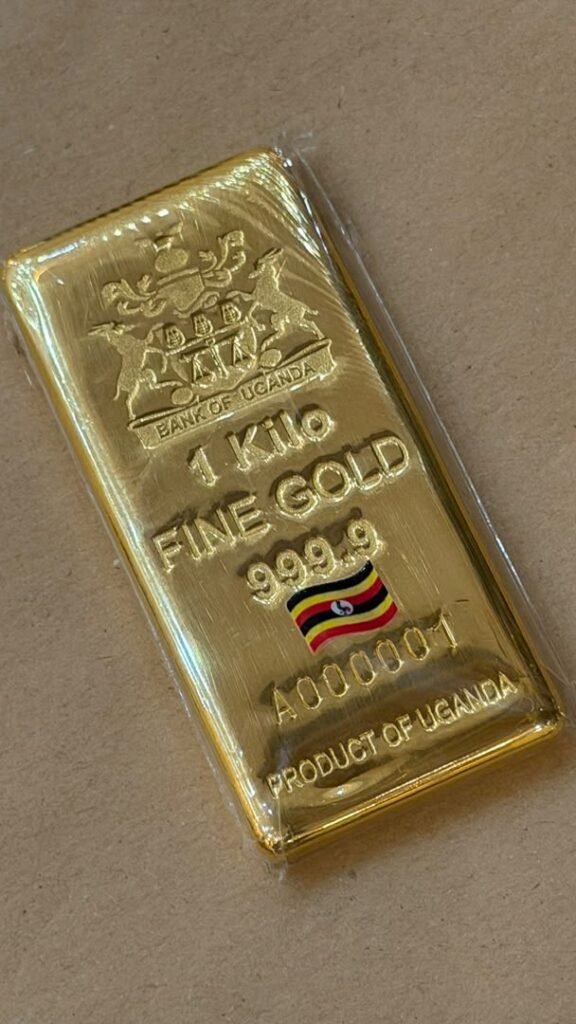
During the engagement, the President highlighted Feldstein’s refining capabilities in Kampala and plans for a new facility in Morulem, Abim district. Feldstein Co. Ltd. is printing the Bank of Uganda logo on its bars a strong symbol of official backing and quality assurance
Mr. Cohen Carlos and his team have invested in modern equipment, partnering not just for refining but also to support miners with better technology. This kind of private investment in rural areas like Abim can bring infrastructure, skills training, and alternative livelihoods something the sector desperately needs.
Licensed Gold Refineries in Uganda: Kampala, Entebbe, Bwebajja, Abim
Uganda now boasts around 10 licensed gold refineries, according to official statements. Here are some of the prominent verified players making waves:
Feldstein Co. Ltd. / Feldstein Trading Ltd. (Kampala): Featured in the President’s post. Known for high purity refining (99.9%) and recent contracts with the Bank of Uganda. Expanding to northern Uganda.
EuroGold Refinery (Kamwokya, Kampala): A government designated supplier and refining partner to the Bank of Uganda. Located on Plot 1 Katego Road, it has been actively involved in formal supply chains and holds multiple mining concessions
Nutrien Refinery (Bwebajja, Akright City area): Operating out of Kampala’s outskirts, this facility focuses on refining, smelting, and mineral trade support with professional logistics
Afrimex Mineral Dealers / African Gold Refinery (AGR) (Entebbe): One of the earlier large scale operations near the airport, with significant capacity for precious metals processing. It has played a pioneering role in positioning Uganda as a refining and gold trading hub
These facilities are part of a broader effort where the Bank of Uganda has entered contracts to purchase domestically refined gold, aiming to build reserves while retaining value locally.
Bank of Uganda Gold Purchases: Opportunities and Compliance
Local refining creates jobs, boosts export earnings through higher value products, and supports the formal economy. Yet challenges remain. Many Ugandans still ask: how does this translate to better roads, hospitals, or reduced national debt? There are also ongoing concerns about illicit trade, the role of imported gold in re exports, and ensuring artisanal miners benefit fairly
Gold trading in Uganda requires proper licensing under the Ministry of Energy and Mineral Development. Key keywords for anyone researching this space include: gold trading Uganda regulations, licensed gold refineries Kampala , buy gold Uganda export , Bank of Uganda gold purchases , and value addition minerals Uganda .
Compliance is non negotiable from mineral dealer licenses to assay reports and export permits. The government has cracked down on illegal operations to clean up the sector.
How to Trade Gold Legally in Uganda: Licensing, Assay, Export Permits
The Directorate of Geological Survey and Mines oversees licensing. Recent directives emphasize trading only between licensed entities, with a push for transparency. For serious investors and traders, this creates a more predictable environment than in previous years.
Opportunities for Investors: Logistics, Equipment, Responsible Sourcing
Opportunities exist in equipment supply, secure logistics, responsible ASM formalization, and joint ventures with existing refineries. Northern and western districts with mining activity are seeing increased interest.
President Museveni’s latest engagement underscores a clear message Uganda is waking up to its mineral potential. From Feldstein’s operations to EuroGold in Kamwokya, Nutrien in Bwebajja, and Afrimex in Entebbe, the infrastructure for a more self reliant gold sector is taking shape. But success will depend on transparency, inclusive benefits for local communities, and sound governance.
If you’re a miner, investor, or buyer looking to navigate gold trading in Uganda safely and profitably, don’t go it alone. With over a decade of hands on experience across the continent, I offer independent consulting on due diligence, licensing support, refinery partnerships, and responsible sourcing strategies.
Ready to explore opportunities in Uganda’s gold sector? Drop me a message or comment below with your specific needs whether it’s verifying a refinery partner, understanding export procedures, or structuring a compliant deal. Let’s turn potential into sustainable value together. Your consultation inquiry is the first step toward secure, transparent transactions.
Stay informed, trade smart, and support Uganda’s journey toward true value addition. Share this post if you found it useful.


