
 Plot 1, Nakaseero, Kampala City, Central DIV, UG
 8:00am : 100:00pm Mon-Sun
BUY GOLD BARS – AFRICAN GOLD BULLION FOR SALE (UGANDA GOLD SUPPLIERS)
Buy Gold Bars – Trusted Gold Bullion Suppliers in Africa
Gold has been one of the most valuable and trusted assets for thousands of years. From ancient empires to modern financial markets, gold bullion continues to represent wealth preservation, investment security, and international trade value. Today, investors, traders, and institutions across the world are increasingly looking toward African gold markets, particularly Uganda, for reliable gold sourcing.
At BuyGold.blog, our goal is to provide accurate information and trusted connections for those seeking gold bullion for sale, gold bar suppliers, gold dust, gold nuggets, and doré bars sourced from Africa.
Africa is home to some of the largest gold-producing regions in the world. Countries such as Uganda, the Democratic Republic of Congo, Tanzania, Ghana, and South Africa contribute significantly to global gold supply. Due to rich mineral deposits and expanding refining infrastructure, Africa has become an important hub for international gold trade.
For buyers searching online for buy gold bars, the most important factors include:
- Gold purity
- Source verification
- Export compliance
- Reliable suppliers
- Transparent pricing
This comprehensive guide will explain everything you need to know about purchasing gold bullion safely and understanding the African gold market.
What Are Gold Bullion Bars?

Gold bullion bars are refined gold products produced in standardized weights and purities specifically for investment, trading, and central bank reserves.
Unlike jewelry, bullion bars are valued primarily for their gold content rather than artistic design. Their price is determined based on:
- Gold purity
- Gold weight
- Current global gold spot price
- Refinery certification
- Market demand
Bullion bars are typically produced by government mints or private refineries that follow strict international standards.
Most commonly traded bullion bars include:
- 1 kilogram gold bars
- 400 oz London Good Delivery bars
- 100 gram gold bars
- 1 oz investment gold bars
These bars usually carry essential markings such as:
- Refinery logo
- Weight
- Purity level
- Serial number
- Assay certification
Gold bullion bars serve several purposes including:
Investment diversification
Central bank reserves
Industrial and technological applications
International trade settlement
For many global buyers, African gold bullion offers competitive pricing due to proximity to mining operations and direct supplier relationships.
Types of Gold Bars
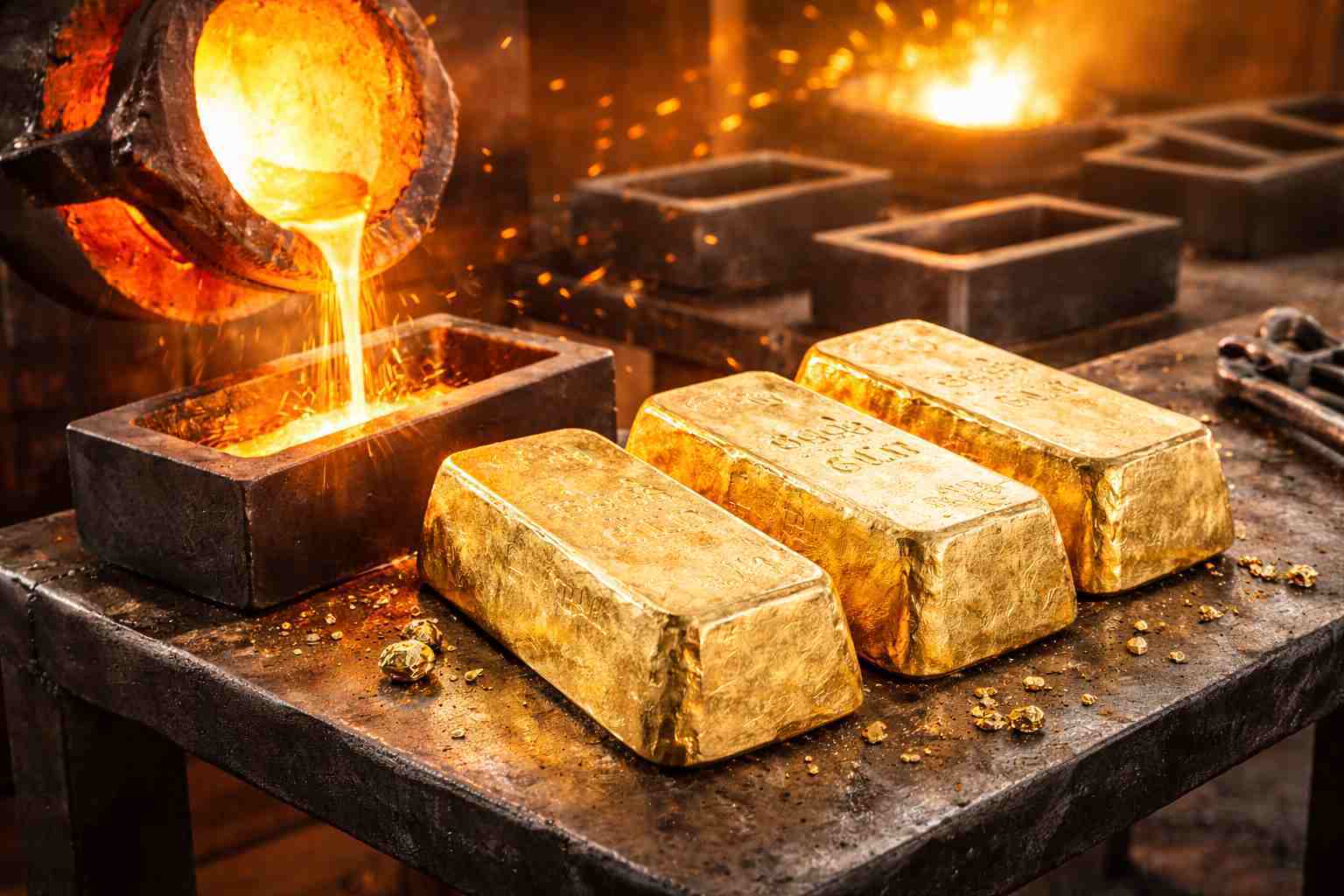
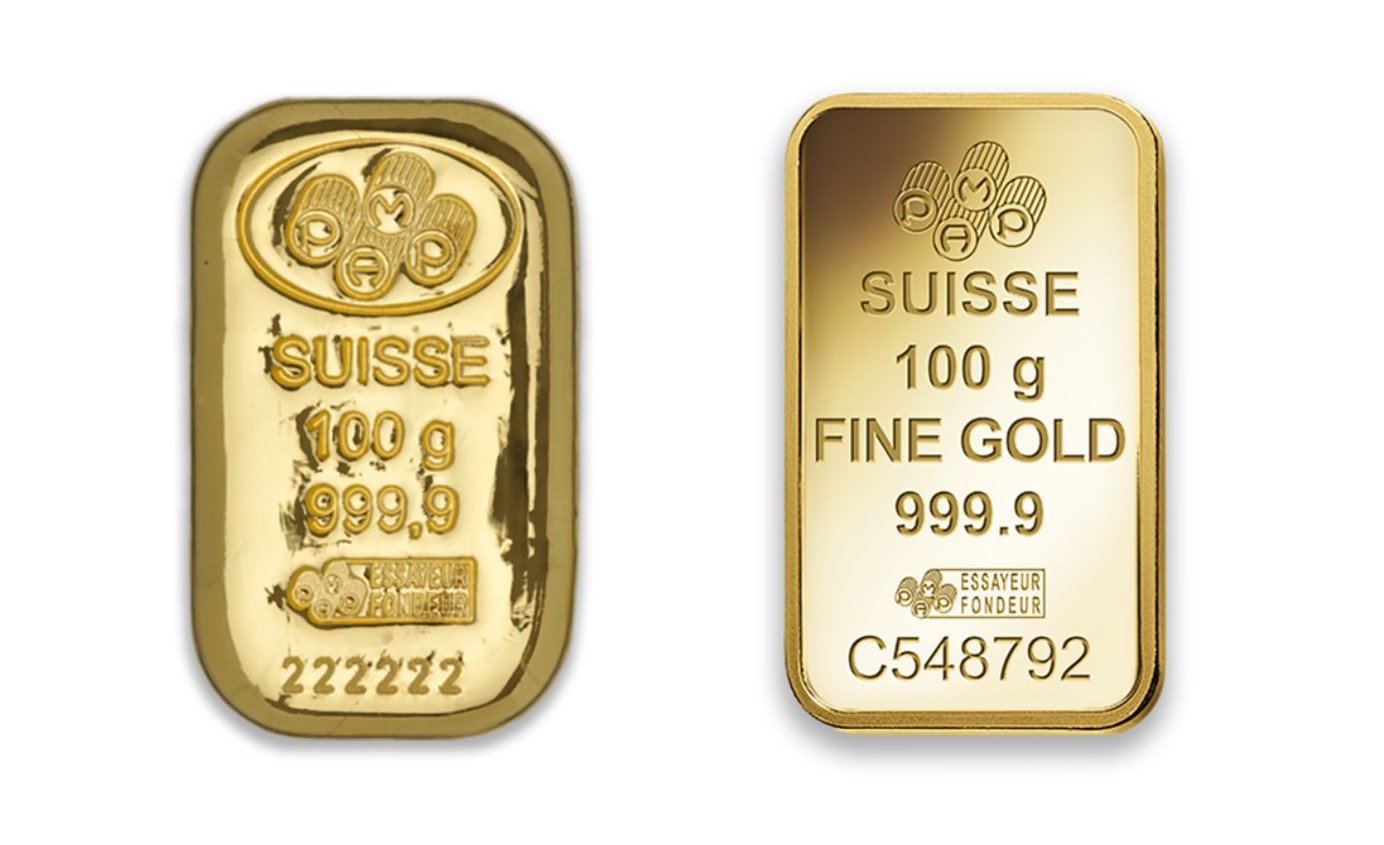

There are several types of gold bars available in the global bullion market. Understanding the differences is essential for both investors and international gold traders.
Cast Gold Bars
Cast bars are created by pouring molten gold directly into molds. These bars typically have a rough surface texture and are commonly used for large-scale investment or industrial trading.
Characteristics:
- Lower production cost
- Larger sizes (1kg – 12.5kg)
- Common in wholesale markets
- Often used in African gold exports
Minted Gold Bars
Minted bars are produced by cutting gold blanks and stamping them with precision machines. These bars have a smooth polished surface and higher aesthetic appeal.
Features:
- Perfect shape
- Popular among retail investors
- Often packaged with certificates
CombiBars
CombiBars are divisible gold bars designed for easy trading. These bars can be broken into smaller units, making them useful in small-scale transactions.
Gold Purity Explained (999 vs 995)

Gold purity refers to the percentage of pure gold contained in a bar.
This is usually expressed using three-digit notation or karats.
999 Gold
999 gold means the bar contains 99.9% pure gold.
This is commonly referred to as fine gold and is the standard purity for most investment-grade bullion.
Advantages:
- Highest purity available in bullion
- Preferred by international investors
- Accepted globally in bullion markets
995 Gold
995 gold contains 99.5% pure gold and is often associated with London Good Delivery bars used in large-scale trading.
Many refineries accept 995 gold doré bars because they are easier to refine into 999 purity.
Why Purity Matters
Gold purity directly affects:
- Market value
- Refinery acceptance
- Export eligibility
- Investment grade classification
When buying gold bullion internationally, always request assay reports and refinery certifications.
Doré Bars
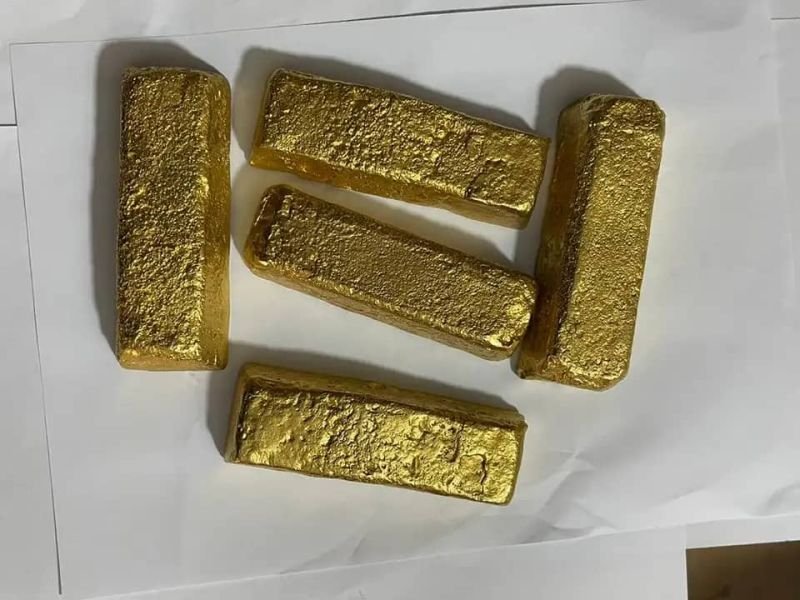
Doré bars are semi-pure gold bars produced directly from mining operations.
These bars typically contain a mixture of:
- Gold
- Silver
- Trace metals
Doré bars generally have purity levels between 80% and 95% gold before refining.
Mining companies produce doré bars because transporting raw ore is inefficient. Instead, gold is partially processed near the mine to create doré bars that are then sent to refineries.
Key characteristics:
- Rough appearance
- Variable purity
- Requires refining
- Common in African gold exports
International refineries then refine doré bars into 999 fine gold bullion.
Gold Dust
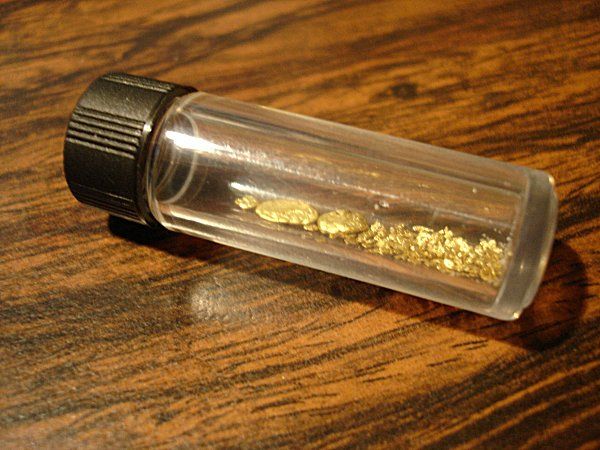
Gold dust refers to very small particles of natural gold recovered during mining processes.
Gold dust is commonly found in:
- River sediments
- Alluvial mining sites
- Small-scale artisanal mining operations
In Africa, especially Uganda and neighboring countries, many small-scale miners sell gold dust before it is melted into bars.
However, buyers should exercise caution when purchasing gold dust because:
- Purity can vary significantly
- Fraud risks are higher
- Export regulations may apply
Most professional traders melt gold dust into doré bars before export.
Gold Nuggets
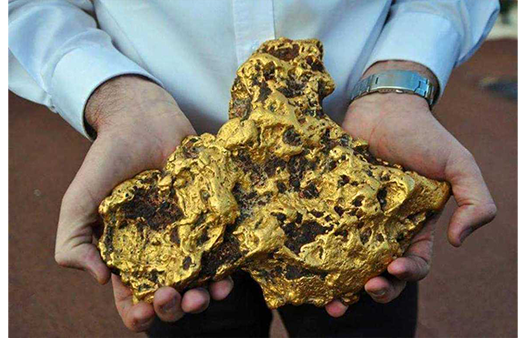
Gold nuggets are naturally occurring pieces of gold found during mining operations.
Unlike gold dust, nuggets are larger solid pieces formed naturally in rock formations or riverbeds.
Nuggets are highly valued because:
- They require minimal processing
- They are collectible
- They may contain very high gold purity
Large gold nuggets are rare and often sold to collectors, museums, or investors.
Gold Ingots
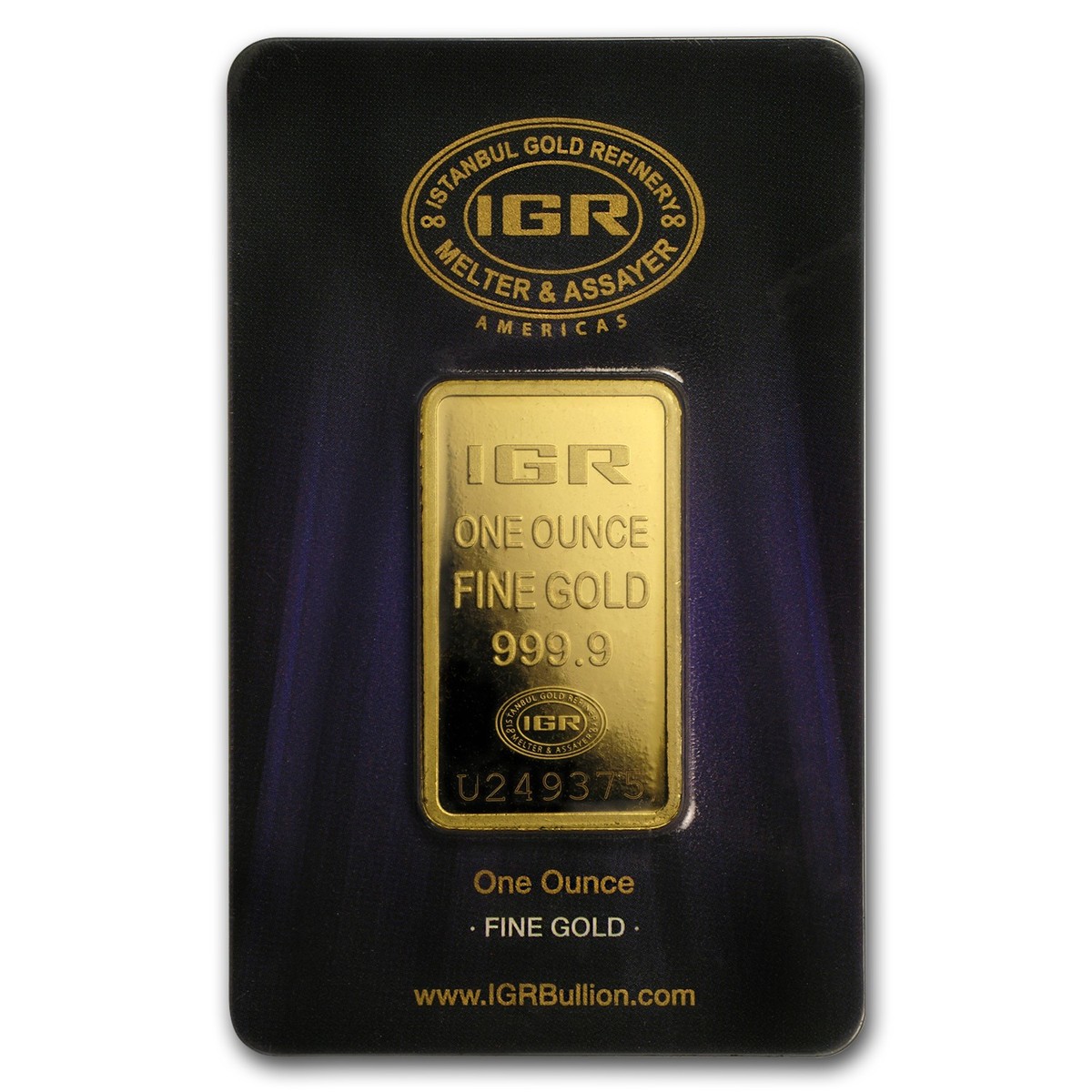
Gold ingots are another term commonly used for refined gold bars.
The word “ingot” historically refers to metal cast into molds for storage or transportation.
Gold ingots typically:
- Have a rectangular shape
- Display refinery markings
- Are produced in standard weights
Common ingot weights include:
1kg
100g
10g
400oz
Large financial institutions and governments store gold ingots as part of their strategic reserves.
How Gold Bars Are Produced

Gold bar production involves several technical stages from mining to refining.
Step 1: Gold Mining
Gold is extracted from:
- Underground mines
- Open-pit mines
- River alluvial deposits
Step 2: Ore Processing
Crushed ore is processed using methods such as:
- Gravity separation
- Cyanide leaching
- Flotation
Step 3: Doré Bar Production
Gold is melted into doré bars at the mine site.
Step 4: Refining
Refineries purify doré bars into 999 fine gold.
Step 5: Bar Casting
Molten gold is poured into molds to create bullion bars.
Step 6: Stamping and Certification
Bars are stamped with:
- Weight
- Purity
- Serial numbers
- Refinery marks
How to Buy Gold Bars Safely
Buying gold internationally requires careful due diligence.
Verify the Supplier
Work only with licensed gold exporters or refineries.
Request Documentation
Important documents include:
- Assay certificate
- Export license
- Certificate of origin
- Sales agreement
Understand Pricing
Gold is typically priced based on the London gold spot price with a discount or premium.
Conduct Due Diligence
Always verify:
- Company registration
- Mining source
- Export legality
Gold Export and International Trade
African gold exports are regulated by government authorities to prevent illegal mining and smuggling.
In Uganda, gold exports are typically overseen by:
- Ministry of Energy and Mineral Development
- Uganda Revenue Authority
- Licensed gold exporters
Export documentation often includes:
- Export permit
- Assay certificate
- Certificate of origin
- Commercial invoice
- Airway bill
Major global buyers of African gold include:
- Switzerland refineries
- UAE gold markets
- Asian investment markets
Why Uganda Is Becoming a Major Gold Trading Hub
Uganda has increasingly become an important regional gold trading center due to:
- Strategic geographic location
- Growing refining capacity
- Strong trade links with UAE and Switzerland
- Expanding mining operations
Uganda also serves as a transit hub for gold sourced from neighboring countries, making it a critical part of the global gold supply chain.
Related Gold Guides
-
Gold Bar Purity Explained
 Plot 1, Nakaseero, Kampala City, Central DIV, UG
 info@buygold.blog